
From the Playbook to the Boardroom: How Tom Brady and Shaq Transitioned to Business Success

Insights from Tom Brady, Shaquille O'Neal, and Industry Leaders at the Milken Global Conference

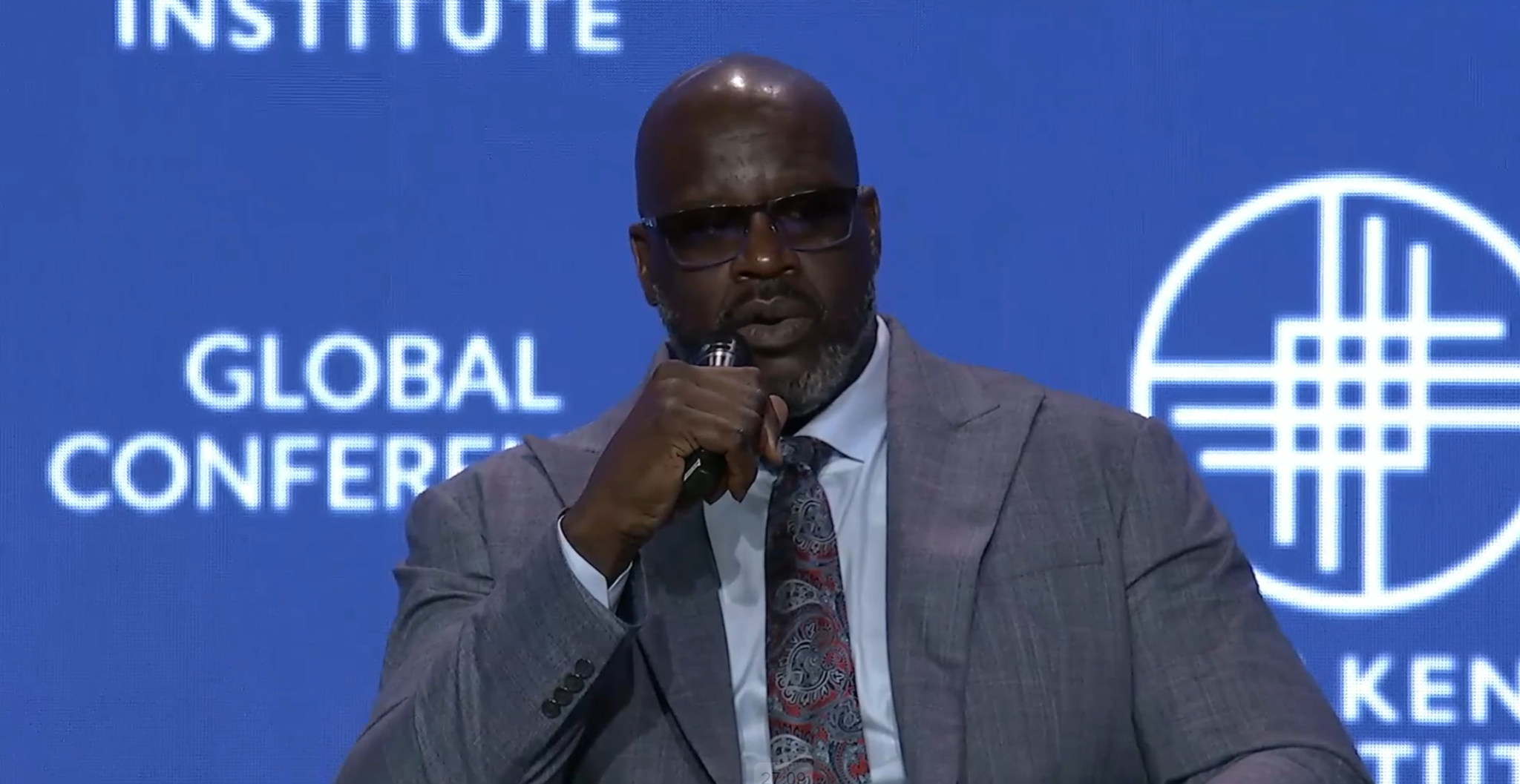
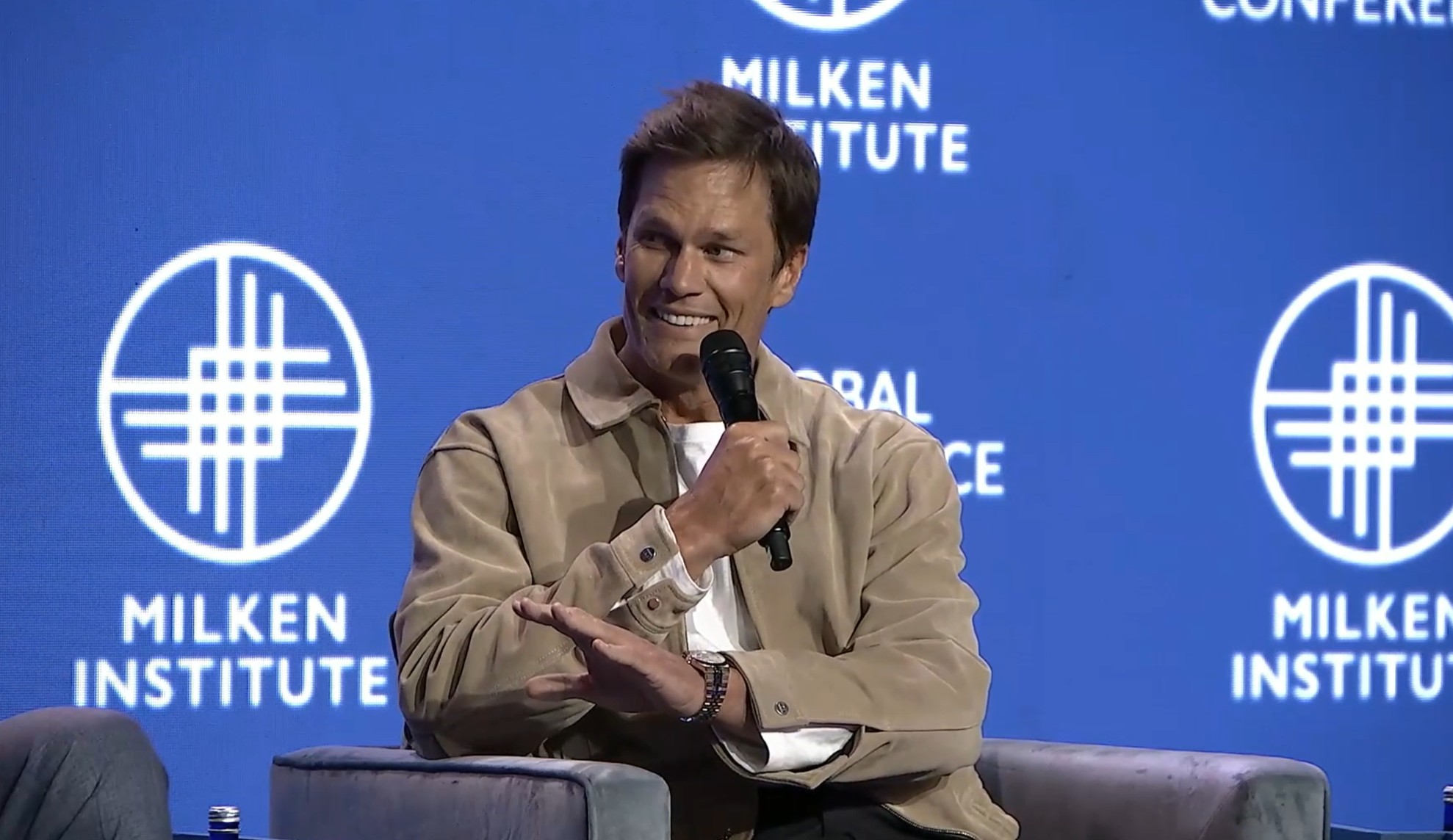
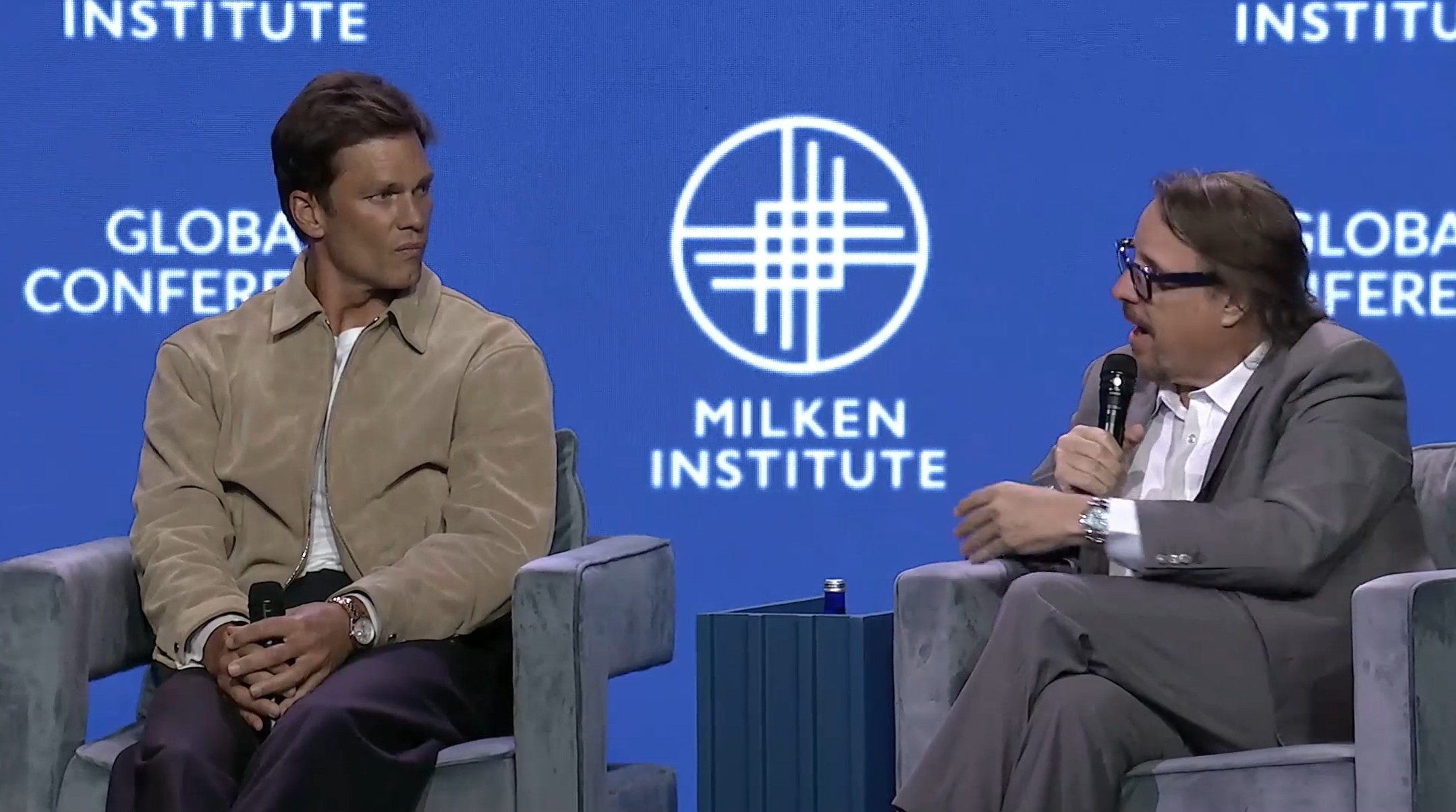
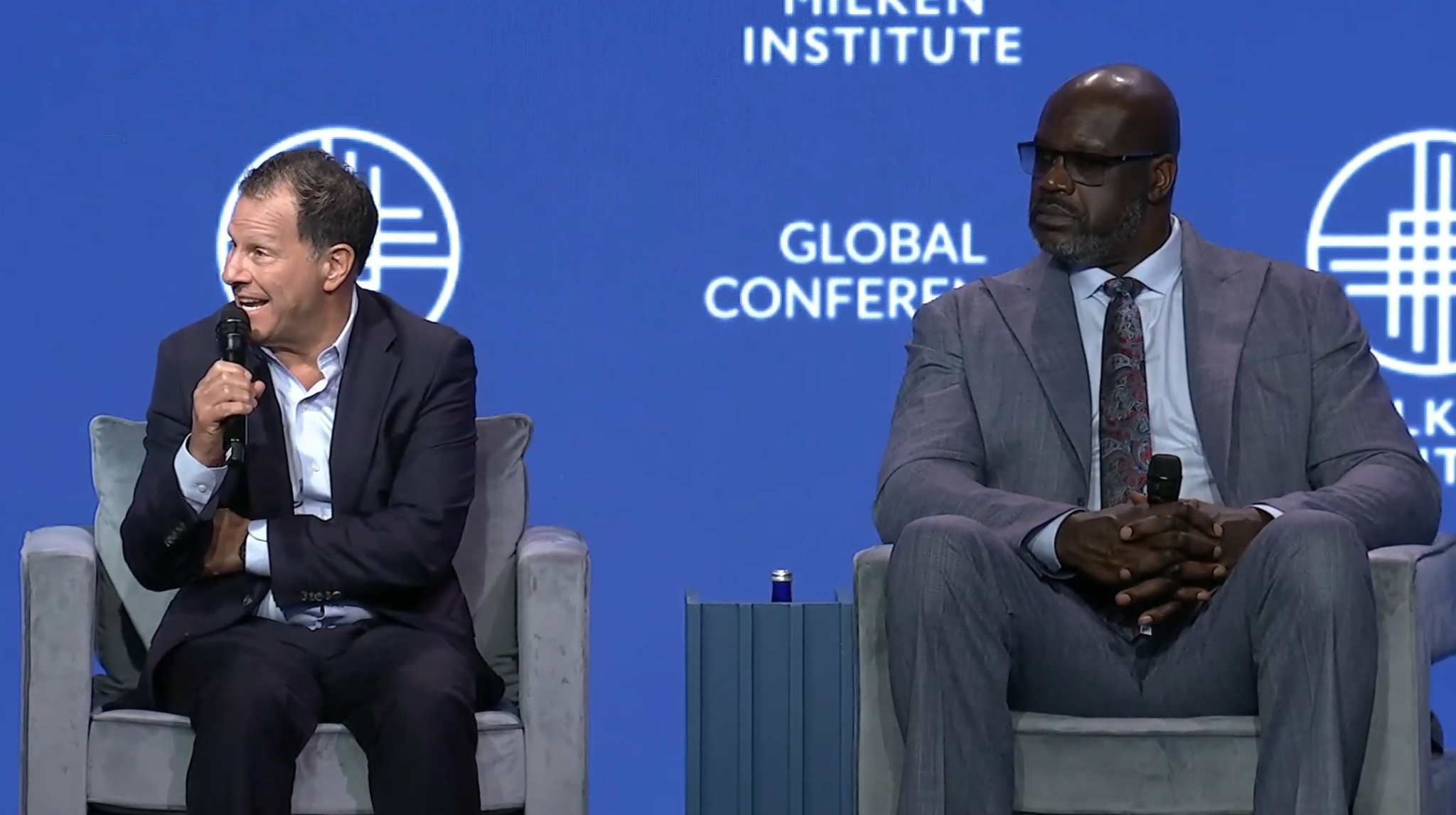
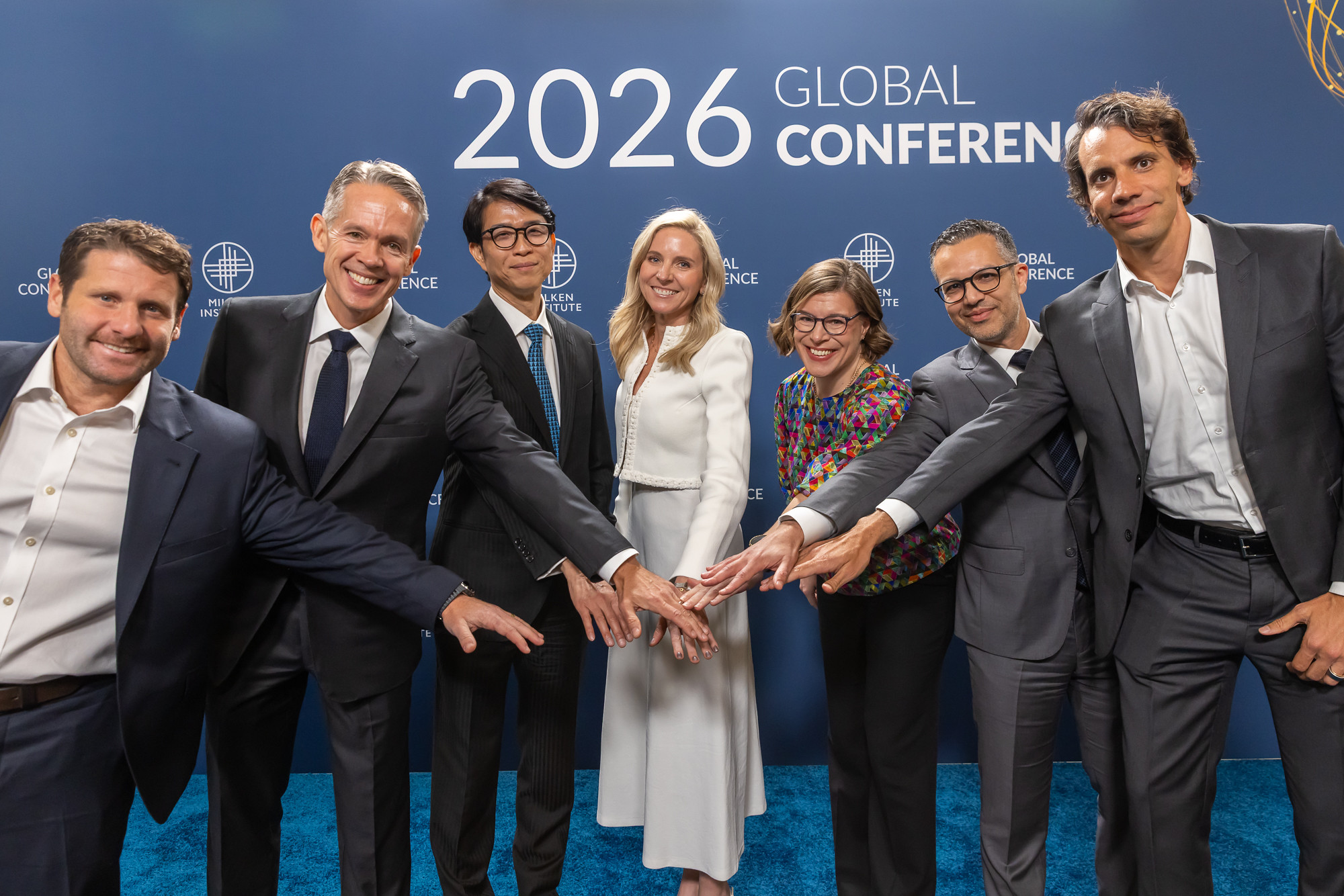
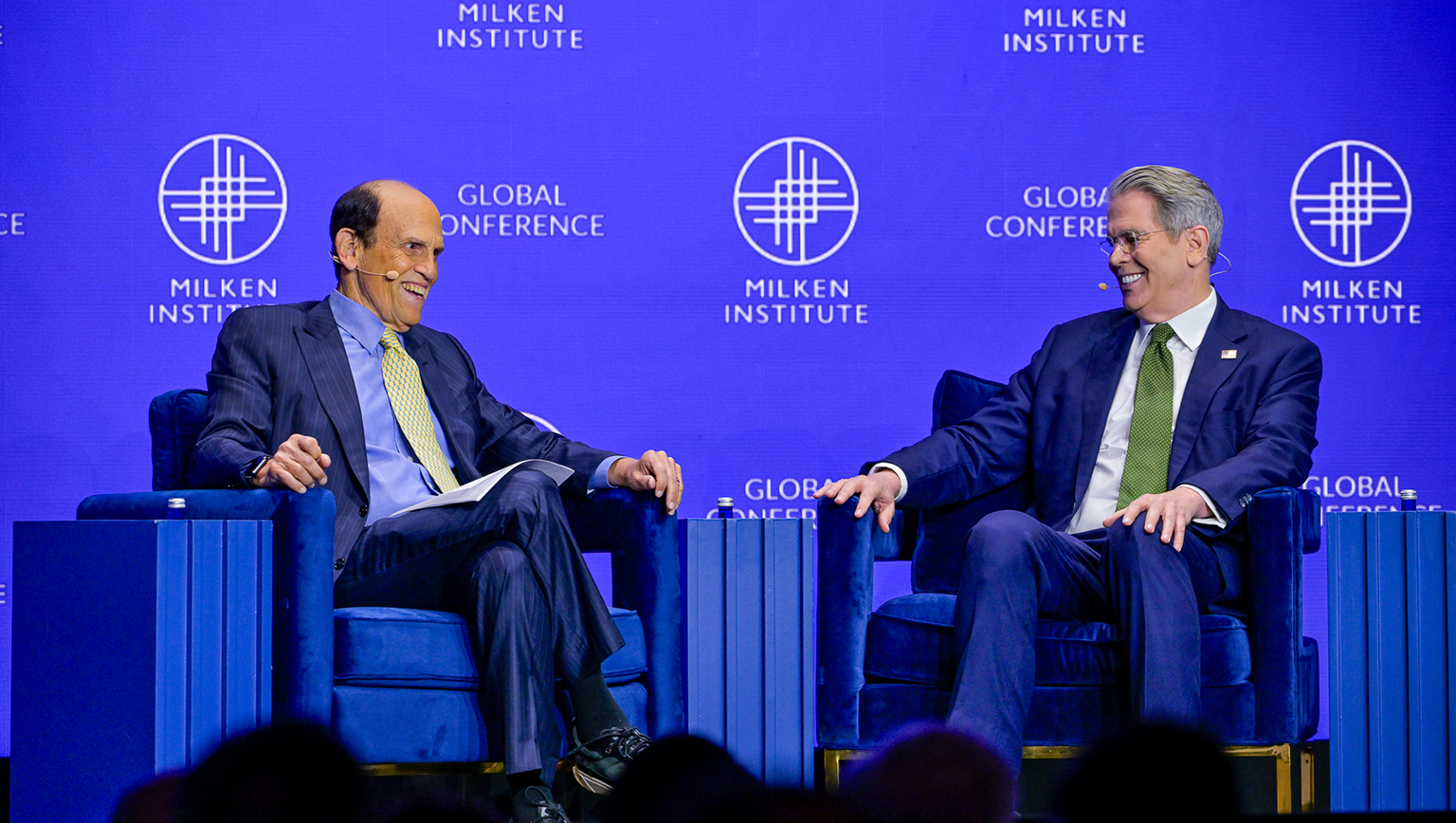
At the Milken Global Conference in Los Angeles on May 4, 2024, four titans of sports and business gathered to address one of the most challenging transitions in modern career development: moving from elite athletics to entrepreneurship. Moderated by legendary sports journalist Jim Gray, the panel featured NFL icon Tom Brady, basketball legend Shaquille O'Neal, Authentic Brands Group founder and CEO Jamie Salter, and EMED chairman Michael Ferro. Their candid discussion revealed the surprising parallels between winning championships and building sustainable businesses.

The Unexpected Crisis: When Success Ends

Perhaps the most sobering statistic shared during the conversation came from Shaquille O'Neal: 70% of NBA players are broke or bankrupt within five years of retirement. This shocking figure underscores a fundamental reality that many successful athletes fail to confront. Athletic excellence does not automatically translate into financial security or business acumen.

Shaq didn't shy away from his own struggles with this transition. Early in his post-retirement years, he admitted to losing some of the discipline that defined his playing career. "I was eating burgers and club sandwiches," he recalled with candid humor. Yet this period of complacency ultimately became a catalyst for change. The turning point came when he compared himself to fellow Hall of Famer Charles Barkley and realized he needed to reclaim his focus. "If you passed by me, you wouldn't have seen me," he said, describing his motivation to reinvent himself.

This vulnerability from one of basketball's greatest players sends a powerful message: even the most decorated athletes face the paralyzing challenge of identity loss when their playing days end.

Discipline and Obsession: The Foundation

Tom Brady's pathway through his 23-year NFL career offers a masterclass in sustained excellence. His success, however, wasn't built on raw talent alone, it was constructed through an almost obsessive commitment to discipline and preparation. Brady's regimen began remarkably early: he started pre-dawn workouts in 4th or 5th grade, a habit instilled by parents who modeled hard work and commitment.

Michael Ferro, Brady's business partner at EMED, observed something crucial about Tom's approach: "The toughest person on Tom is Tom." This internal accountability, which defined Brady's football career, has seamlessly transferred into his business ventures. When transitioning to broadcasting and eventually to his health and wellness initiatives with EMED, Brady approached learning with the same meticulous attention to detail that made him legendary on the field.

"He meets with CEOs and doctors. He wants to understand the details," Ferro explained. "He's constantly reviewing notes and seeking feedback."

However, Brady's post-retirement evolution has taught him something equally important: the limitation of total control. After stepping away from the NFL's rigid structure, Brady encountered what he described as a "paralyzing" transition period. This led to a fundamental philosophical shift: "Patience equals peace."

Rather than attempting to dominate every situation through preparation and control, as he had done in football, Brady has learned to embrace observation and adaptation. This mindset adjustment is perhaps more valuable than any single business strategy, because it reflects the maturity to recognize that business leadership requires a different skill set than athletic performance.

The "Mother's House" Rule: Values-Based Financial Planning

Shaquille O'Neal's approach to wealth and entrepreneurship traces directly back to advice from his father, a decorated military officer. That advice was simple but transformative: "Don't lose your mother's house." This principle became the bedrock of Shaq's post-retirement strategy and represents a profoundly different approach to financial planning than many athletes employ.

While many athletes focus on maximizing endorsement deals and appearance fees, Shaq deliberately restructured his business model. Through his 11-year partnership with Authentic Brands Group (ABG), he shifted from a 100% endorsement-based income model to a 50/50 split between endorsements and strategic licensing deals. More importantly, he invested his own capital back into these ventures, aligning his personal financial interests with long-term business success.

"I hired people smarter than myself," Shaq explained, citing military strategist Dwight Eisenhower as inspiration for this approach. Rather than attempting to master every aspect of business personally, Shaq recognized that surrounding himself with experts in finance, marketing, and brand strategy would accelerate his learning and success.

This commitment to financial discipline and long-term planning stands in stark contrast to the cautionary tale of those 70% of players who face financial ruin. Shaq's "mother's house" principle serves as a powerful reminder that true wealth isn't measured by annual income—it's measured by lasting security and the ability to give back to family and community.

Partnership as Marriage: The Role of Industry Partner

Jamie Salter, founder of Authentic Brands Group, provided crucial insight into how successful companies identify and nurture partnerships with athletes and celebrities. ABG's approach to evaluating potential partners transcends traditional metrics like social media followers or endorsement history.

"We look for global reach, family values, and long-term brand stability," Salter explained. When ABG acquires 50% of an athlete's name, image, and likeness (NIL), Salter describes it as a "forever marriage", a decades-long commitment.

The partnership between Salter and Shaq exemplifies this philosophy. For 11 years, the two have worked together to build sustainable brand value. This longevity requires alignment on deeper values: commitment to excellence, respect for the brand's legacy, and a genuine desire to build something that outlasts the initial partnership period.

This perspective challenges the conventional wisdom in sports marketing, which often treats athlete endorsements as short-term commercial opportunities. Instead, Salter's approach suggests that the most valuable partnerships are those built on shared values and a genuine commitment to mutual growth.

From Control to Observation: The Executive Mindset Shift

One of the panel's most profound discussions centered on the psychological transition from being an elite athlete to being a business leader. These are fundamentally different roles that require different mental frameworks.

As an athlete, Brady's role was to maximize control. He controlled his body, controlled his preparation, controlled his execution. In business, however, total control is impossible. External market forces, regulatory environments, competitive dynamics, and team dynamics operate beyond any individual's command.

Brady's evolution toward "patience equals peace" represents a mature recognition that effective leadership requires knowing what you can and cannot control. Rather than attempting to dominate situations through preparation, successful executives must develop the wisdom to observe carefully, gather input from talented colleagues, and adapt strategies as circumstances change.

This doesn't mean abandoning the discipline that made Brady great. Rather, it means redirecting that discipline toward continuous learning, team development, and strategic adaptation, the skills that define 21st-century executive leadership.

The Kindness Factor: Beyond Financial Success

Jim Gray publicly recognized Shaq for thousands of anonymous acts of kindness throughout his life. When asked about this, Shaq traced it directly to his father's example. His father once gave away his own food to a homeless veteran while teaching his son a crucial life lesson: "If you ever become big time... make sure you always look out for the little man."

This values-based approach to success, the recognition that true achievement includes the ability and willingness to uplift others, represents perhaps the most important transition from athletics to business leadership. Many athletes achieve financial success but fail to find meaning. Those who build lasting legacies invariably combine business acumen with genuine commitment to community and philanthropy.

Conclusion: Building a Second Act

The conversation at the Milken Global Conference revealed a consistent pattern among those who successfully transition from elite athletics to business leadership. First, they embrace humility and surround themselves with people smarter than themselves. Second, they maintain discipline while developing flexibility. Third, they ground their business decisions in enduring values rather than short-term gains. Finally, they recognize that true success includes the ability to uplift others.

Tom Brady, Shaquille O'Neal, and their industry partners are not anomalies. These icons represent the template for what's possible when athletes approach their second careers with the same intentionality they brought to their sports. The question isn't whether athletes can succeed in business. It is whether they're willing to be humble enough to learn, disciplined enough to execute, and wise enough to know when to adapt.

For the thousands of athletes retiring each year, that lesson is invaluable.

Read More

Spring 2026 Trend Report: Modern Nostalgia

Chiara Padejka • April 9, 2026 •
8 min read

Scents That Serve: The Perfume Edit

Chiara Padejka • March 14, 2026 •
6 min read

Atlantica Lands in Miami : April Bey X The Underline

Chiara Padejka • February 27, 2026 •
6 min read

Read More

Spring 2026 Trend Report: Modern Nostalgia

Chiara Padejka • April 9, 2026 •
8 min read

Scents That Serve: The Perfume Edit

Chiara Padejka • March 14, 2026 •
6 min read

Atlantica Lands in Miami : April Bey X The Underline

Chiara Padejka • February 27, 2026 •
6 min read

Sun and Sand: Swimwear Brands You Need to Know in 2026

Chiara Padejka • February 1, 2026 •
8 min read

The Dealer’s Eye: How Jonathan Boos Shaped the 2026 Armory Show

Chiara Padejka • January 28, 2026 •
6 min read

Fits for the Fit: The Althleisure Edit

Chiara Padejka • January 13, 2026 •
8 min read

The Creativo Holiday Edit: A Guide To Festive Dressing

Chiara Padejka • December 20, 2025 •
8 min read

The Many Sides of Evans: A Highest -Council View of the Marina Effect

Sasha Bernier • December 18, 2025 •
5 min read

Miami Votes for Music: The Underline Secures Levitt BLOC Grant

Chiara Padejka • December 16,, 2025 •
5 min read

The Pony Effect: A 90s Sexy Cowboy Style Guide for a 30 Year Celebration

Abigail MacFadden • December 2, 2025 •
4 min read

When Ginuwine’s “Pony” Changed Everything: A 1996 Love Story

Sasha Bernier • November 30, 2025 •
4 min read

Miami : Through the Lens of Jack Pierson

Chiara Padejka • November 26,, 2025 •
6 min read

Sweater Weather

Chiara Padejka • November 17, 2025 •
6 min read

It Girl Guide To Halloween

Chiara Padejka • October 31, 2025 •
6 min read

Elegance: How Worth Shaped Paris Fashion

Chiara Padejka • October 9, 2025 •
6 min read

Temple of Love: A Day of Rick Owens' in Paris

Chiara Padejka • September 18, 2025 •
7 min read

Armory Show 2025

Creativo’s Top Picks from Armory Show 2025

Abigail MacFadden • September 4, 2025 •
5 min read

Labubu and the Logic of Hype: What a Monster Toy Says About Us

Chiara Padejka • August 18, 2025 •
6 min read

Sun’s Out, Shoes Out: The Summer Shoe Edit

Chiara Padejka • August 15, 2025 •
6 min read

Guild Hall: A Cultural Renaissance in East Hampton

Chiara Padejka • July 31, 2025 •
5 min read

The Blindfolded Doctor: Jon Tsoi’s Powerful Approach to Art

Tessa Almond • July 23, 2025 •
5 min read

Amy Sillman at Dia Bridgehampton: An Innovative Take on Site-Specific Art

Abigail MacFadden • July 8, 2025 •
6 min read

Guild Hall: A Cultural Renaissance in East Hampton

Abigail MacFadden • July 3, 2025 •
6 min read

The Politics of Punk and Plaid

Tessa Almond • July 2, 2025 •
7 min read

Inside the Mosaic Tile House: L.A.’s Most Unique Art Attraction

Chiara Padejka • June 27, 2025 •
6 min read

Phoenix: Cloe Galasso’s Rebirth into the Art World

Abigail MacFadden • June 17, 2025 •
6 min read

The Immortal Bouquets of Anna Volkova: The Master of Porcelain

Chiara Padejka • June 11, 2025 •
5 min read

Whispers Across Time: Urhobo + Abstraction

Chiara Padejka • June 3, 2025 •
5 min read

Draped in Defiance: The Radical Elegance of Black Dandyism

Chiara Padejka • May 26, 2025 •
7min read
Marie Chloe Duval: I want to learn about you with my eyes closed

Abigail MacFadden •May 23, 2025 •
6 min read
TEFAF Recap: Four Favorites

Chiara Pdejka • May 12, 2025 •
5min read
Frieze New York 2025: The Perfect Balance

Abigail MacFadden • May 11, 2025 •
5 min read

The Power of Purpose: Building Creative Brands with Integrity that Scale

Abigail MacFadden • May 10, 2025 •
5min read
Superfine : A Night of Black Style and Menswear

Chiara Padejka •May 9, 2025 •
7min read
An American in Paris: Sargent Takes the MET

Chiara Padejka • April 30, 2025 •
5min read

Segreti Dei Medici: An Italian Style Guide

Abigail MacFadden •April 29, 2025 •
5min read

The Frick Reopens: The Must-See Museum for Spring

Chiara Padejka •April 24, 2025 •
7 min read

Weaving Space: Identity, Memory, and Resilience in the Art of Qinza Najm

Abigail MacFadden •April 21, 2025 •
6min read

Author

Leave a Reply

Your email address will not be published. Required fields are marked *